The Hidden Health Risks of Dog Waste in Your Yard in 2026
Most homeowners glance at a pile of dog waste and see a chore, not a hazard. Yet that overlooked mess in the corner of your lawn carries a surprising load of pathogens. Understanding the real health risks of dog waste helps you protect your family, your pets, and your neighbors. In 2026, more households are treating pet waste removal as a serious sanitation task rather than an afterthought.
This guide breaks down exactly what lives in dog poop, how those risks spread, and the practical steps that keep your yard clean and safe. You will also find simple tools and routines that make consistent cleanup effortless.
Why Dog Waste Is a Genuine Health Hazard
A single gram of dog waste can contain roughly 23 million fecal coliform bacteria. That number alone reframes the humble poop pile as a biological concern. Rain washes those bacteria into soil, storm drains, and eventually local waterways.
The U.S. Environmental Protection Agency classifies pet waste as a nonpoint source pollutant, placing it in the same broad category as oil runoff and toxic chemicals. You can read more about that classification directly from the EPA guidance on pet waste and nutrient pollution. That authority underscores why leaving waste on the ground is not harmless.
Parasites That Survive in Soil
Dog waste can carry roundworms, hookworms, whipworms, and giardia. Roundworm eggs are especially stubborn. They can remain infectious in soil for years, long after the visible waste disappears.
Children who play barefoot or dig in contaminated dirt face the highest exposure. These parasites do not need the original dog to spread. The soil itself becomes the reservoir.
How Contamination Spreads Beyond the Pile
People assume waste stays where the dog left it. In reality, contamination travels in several ways.
- Water runoff carries bacteria into gutters and creeks.
- Shoe and paw traffic tracks pathogens indoors.
- Flies and pests land on waste and then on food surfaces.
- Lawn mowers spray microscopic particles across the yard.
Each pathway turns one small pile into a wider sanitation problem. Prompt removal is the single most effective way to break these chains.
What About Multiple Dogs?
Households with several dogs multiply the volume and the risk. Two medium dogs can produce well over half a pound of waste daily. Skipping even a couple of days creates a saturated, odor-heavy zone that attracts pests fast.
Health Risks of Dog Waste for Specific Groups
Not everyone faces the same level of danger. The table below outlines who is most vulnerable and why.
| Group | Primary Risk | Recommended Precaution |
|---|---|---|
| Young children | Parasite ingestion from soil | Daily yard cleanup, handwashing |
| Immunocompromised adults | Bacterial infection | Gloves and prompt removal |
| Other pets | Worm reinfection | Frequent scooping, deworming |
| Gardeners | Soil-borne pathogens | Never compost dog waste in food beds |
Practical Tools That Make Cleanup Safe and Fast
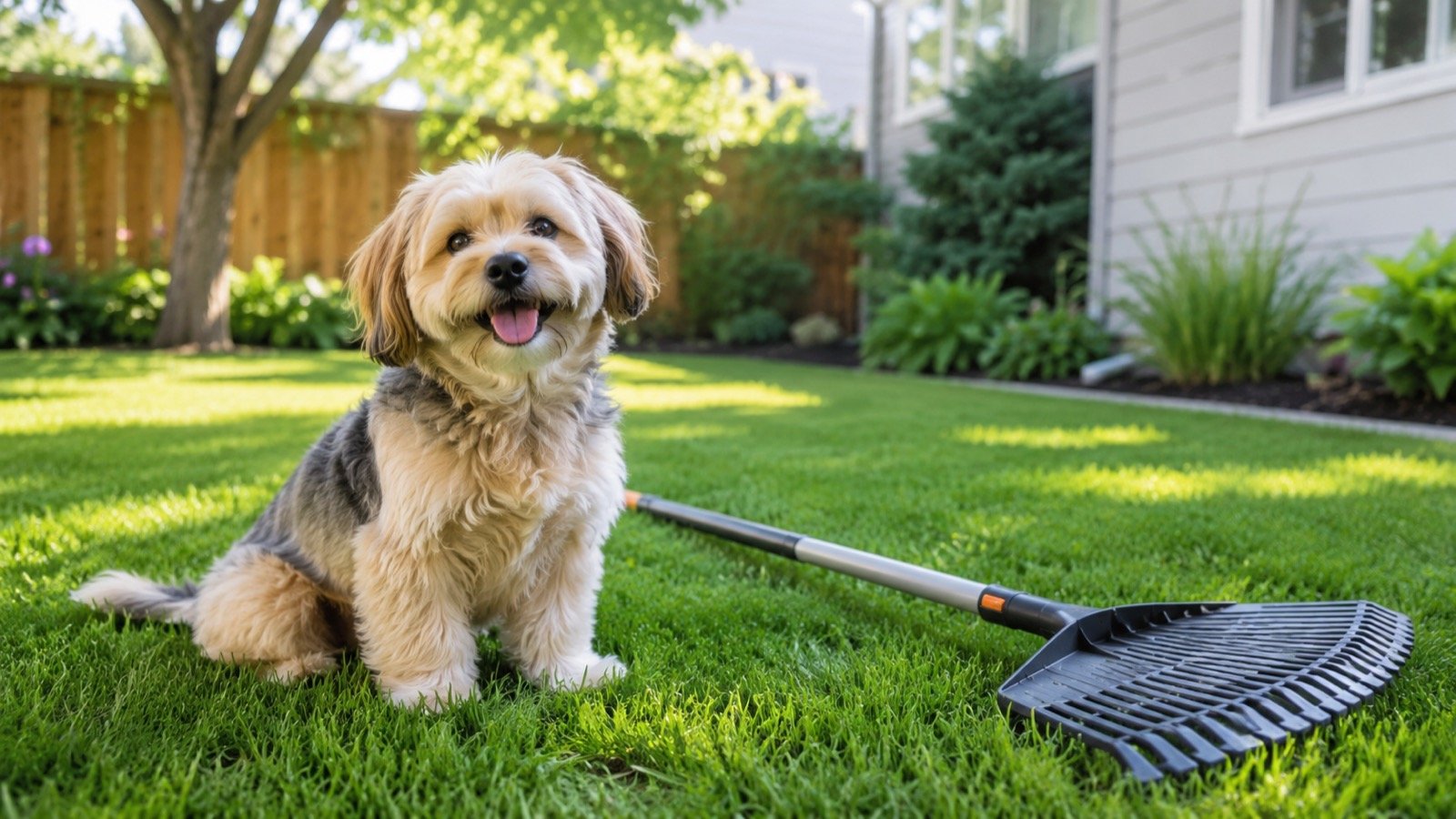
The right equipment removes excuses. A long-handled scooper spares your back and keeps your hands well away from waste. Pairing it with the correct bags prevents leaks and tears.
For durability, a heavy duty tool bag holds up against sharp yard debris and heavy loads without splitting. That reliability matters when you clean a full week of buildup in one session.
Many homeowners now search for a Pooper Scooper nearby that combines a claw and bag in one motion. A single-hand tool speeds up the routine and reduces contact with contaminated surfaces.
If you would rather delegate the job entirely, hiring quality service providers for regular yard sanitation removes the burden completely. Professional crews follow consistent schedules that keep pathogens from accumulating.
Building a Reliable Cleanup Routine
- Scoop waste at least every other day.
- Seal it in leak-proof bags right away.
- Disinfect the scooper after each use.
- Rinse high-traffic spots weekly.
- Wash your hands thoroughly afterward.
Consistency beats intensity. A short daily habit prevents the buildup that makes cleanup unpleasant and hazardous.
The Odor and Pest Connection
Accumulated dog waste does more than spread disease. It broadcasts a strong scent that attracts flies, rodents, and other pests to your yard. Those pests then carry pathogens onto patios, decks, and even indoor surfaces.
Warm weather intensifies the problem dramatically. Heat speeds bacterial growth and amplifies odor, turning a small pile into a neighborhood nuisance within days. Prompt removal cuts off the scent before pests ever notice.
Protecting Your Water Supply
Bacteria from dog waste seep into groundwater and storm drains after every rainfall. In communities near lakes and rivers, that runoff degrades water quality and harms aquatic life. Responsible cleanup is a direct contribution to cleaner local water.
Neighbors who share drainage systems all benefit when each household removes waste promptly. Your small daily habit protects the entire watershed over time.
Teaching Kids Safe Yard Habits
Children face the highest risk from contaminated soil, so teaching safe habits early pays off. Explain why they should never touch waste and always wash their hands after outdoor play. Designate a dog potty zone away from play areas to keep the two separated.
Simple rules stick when you repeat them consistently. A clean, well-managed yard lets kids play freely without hidden hazards underfoot.
Common Myths About Dog Waste
Several persistent myths keep yards dirtier than they should be. Some people believe waste acts as fertilizer. It does not. Dog waste is too acidic and pathogen-rich to nourish grass, and it often burns and kills the lawn instead.
Others assume winter cold kills bacteria. Freezing merely pauses activity. When the thaw arrives in spring, the pathogens revive and the accumulated waste creates a concentrated mess.
Frequently Asked Questions
Can dog waste make humans sick?
Yes. Dog waste carries bacteria and parasites such as roundworms and giardia that can infect people, especially children who contact contaminated soil. Prompt removal and handwashing greatly reduce the risk.
How often should I clean up dog waste in my yard?
Aim for every one to two days. Frequent cleanup prevents bacteria from spreading, keeps pests away, and stops parasite eggs from settling into the soil where they persist for years.
Is it safe to compost dog waste?
Do not compost dog waste in gardens where you grow food. Home compost rarely reaches the sustained high temperatures needed to destroy pathogens, so contamination can transfer to edible plants.
Does cold weather kill the bacteria in dog poop?
No. Freezing only pauses bacterial activity. Pathogens survive the winter and become active again when temperatures rise, which is why spring cleanup is so important.
Keeping Your Yard Clean and Safe
The health risks of dog waste are real, but they are also easy to manage. A dependable scooper, quality bags, and a steady routine turn a dreaded chore into a quick task. Whether you handle it yourself or bring in a trusted crew, consistent pet waste removal protects everyone who uses your yard. Start your cleaner, safer routine today and enjoy the outdoors with confidence.